
The roar of a hailstorm is a sound you don’t easily forget. I remember sitting in my living room last spring when it started that sudden, rhythmic drumming that quickly turned into a violent clatter, like thousands of marbles being dropped onto the roof above.
Once the clouds clear and the sun comes back out, that silence feels heavy with worry. You step out onto your driveway, see a few scattered ice pellets melting in the grass, and look up.
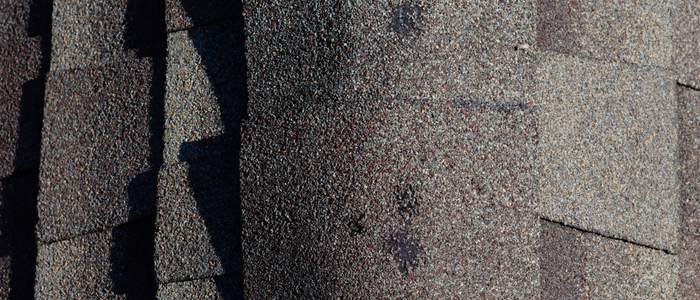
What does hail damage look like on a roof? you wonder. It’s a stressful moment, but I want to help you clear up that uncertainty. Understanding what hail damage looks like on a roof is the first step toward protecting your biggest investment.
Whether the storm brought pea-sized ice or golf-ball hail, recognizing visible and hidden signs early can prevent a small impact mark from turning into a serious roof leak later on.
Classic Hail Damage Visuals on a Roof
When I inspect standard three-tab shingles after a storm, the hail damage on the roof usually follows a very specific pattern. Because these shingles are flat and relatively thin, hail impacts often leave behind a “bruise” that you can actually feel with your hand.
| Visual Sign | Description |
| Granule Loss | Missing stone flakes that expose the dark, shiny asphalt underneath one of the clearest indicators of what hail damage looks like on a roof. |
| Circular Dents | Small, round divots that look like someone pressed a thumb into the shingle. |
| Edge Cracks | Physical tears or breaks along the bottom edge of the shingle tab caused by direct hail impact. |
Identifying these signs of hail damage on a roof is vital because once those protective granules are gone, the sun’s UV rays will bake the asphalt, causing the shingle to become brittle and fail prematurely. If you see dark spots forming after a storm, it’s time for a professional roof inspection.
What Hail Bruises Look Like on a Roof with Laminated Shingles
Laminated shingles are tougher, but they aren’t invincible. When I’m evaluating what hail damage looks like on a roof with laminated shingles, the damage isn’t always obvious at first glance.
Instead, look for localized areas of granule displacement. Because of the textured surface, hail strikes often appear as random dark patches where the outer shingle layer has been knocked away.
If you run your finger over one of these areas and it feels soft or spongy, that’s a classic hail bruise. This means the internal fiberglass mat has been fractured.
While it may look cosmetic today, that fracture allows moisture to penetrate over time. I’ve seen many homeowners ignore these hail marks on the roof, only to face rot or leaks a year later. This is exactly what hidden hail damage on a roof looks like.
Hail Damage Marks You Need to See on Dimensional Shingles
Dimensional shingles have multiple layers, which can sometimes hide hail damage in shadowed areas. When I inspect this type of roof after a hailstorm, I look for these red flags:
- Randomized impact patterns that don’t follow a straight line
- Black “bruises” where hail has driven granules deep into the asphalt
- Hidden fractures where shingle layers overlap
- Indentations that feel thinner than surrounding areas
If you’re safely viewing the roof from a ladder, look across the surface with the sun at your back. Light often reflects off exposed asphalt in hail craters. These visual clues show exactly what hail damage looks like on a roof when waterproofing has been compromised.
Telltale Hail Impact Patterns on Synthetic Roofing
Synthetic roofing materials like rubber or plastic composites are designed to be durable, but large hailstones still leave visible roof damage.
On these roofs, you won’t see granule loss because there are none. Instead, what hail damage looks like on a synthetic roof includes star-shaped cracks, stress marks, or spalling.
Think of hitting hard plastic with a hammer: you may notice white stress areas or tiny fissures spreading outward from the impact point. Sometimes hail leaves a permanent indentation that resembles a shallow bowl.
These subtle deformities affect how the roof sheds water. During inspections, I document these hail impact marks carefully, as they clearly demonstrate roof damage caused by hail.
Hail Damage on Wood Shingle and Shake Roofs
Wood shakes respond differently to hail than asphalt. When inspecting a wood roof after a storm, I’m specifically looking for split shingles caused by hail strikes.
Fresh hail damage on a wood roof is easy to identify because the exposed wood inside the crack appears bright and light-colored. Older cracks will look dark or weathered. You may also see sharp-edged impact marks where hailstones struck directly.
These hail dings break wood fibers and allow moisture to enter, accelerating rot. Spotting this type of hail damage on a roof early is critical for extending the life of a wood roofing system.
Hail Dings Up Close on Metal Roofing
Metal roofing systems are highly resilient, but hail damage on a metal roof is often cosmetic and sometimes structural.
| Feature | Impact Appearance |
| Surface Dents | Small, smooth pockmarks visible when light hits the metal at an angle. |
| Coating Chips | Areas where the protective paint or stone coating has been knocked off by hail. |
| Ridge Cap Deformation | Dents along high points and roof trim where hail hits hardest. |
While dents don’t always cause immediate leaks, chipped coatings expose metal to moisture and can lead to rust. These marks are a common example of what hail damage looks like on a roof made of metal.
Subtle Hail Damage on Eco-Friendly Roofing
Eco-friendly roofing materials often made from recycled rubber or polymers are designed to flex, but extreme hail still leaves signs behind.
What hail damage looks like on these roofs often includes faint discoloration rings where hailstones struck, sometimes appearing slightly lighter or darker than surrounding material. You may also find micro-tears along shingle edges caused by the combined force of hail and wind.
Instead of clean breaks, this type of roof damage from hail often shows as loss of shape or flexibility, where shingles no longer sit flush. These subtle signs require a slow, careful inspection to identify.
Hail Damage Even Impact-Resistant Roofs Can’t Hide
“Impact-resistant” doesn’t mean hail-proof. Even Class 4 shingles can suffer roof damage in severe storms. When assessing what hail damage looks like on a roof rated for impacts, I look for:
- Tears in the fiberglass mat on the underside
- Crushed granules forming noticeable divots
- Loosened seal strips from repeated hail vibration
- Faint circular fractures or gray rings on the surface
Even without visible holes, hail can compromise the bond between roofing layers. In most cases, what hail damage looks like on a roof especially impact-resistant ones is hidden structural failure rather than obvious breakage.
FAQ
How do you identify hail damage on shingles?
Check for splits in shingles that appear brown or orange in color, have clean, sharp edges, and show minimal wear along the margins. Also watch for signs of impact, such as dents or strike marks near or along the split areas.
How do you tell the difference between hail damage and blisters on a roof?
Blisters usually appear as larger, unevenly shaped bubbles that form due to trapped moisture or heat-related expansion. In contrast, hail damage shows up as smaller, circular indentations that mirror the impact pattern of hailstones.
What does hail damage on a metal roof look like?
Dents and small indentations on a metal roof can indicate storm-related damage. One way to identify hail impacts is to place chalk flat against the roof surface and rub it vertically to highlight hidden marks. Denting on roof vents is also a strong indicator that the roof has experienced storm damage.
What does hail damage look like on a wood shake roof?
A hail-related split can be identified by the fresh, bright appearance of the exposed interior material, which contrasts with the dull gray tone of a weathered shingle or shake. The fracture edges will be clean and sharp, and the split will align directly with a clearly visible hail impact mark.
Conclusion
Visual evidence is your best friend. When I work with you, I don’t just tell you there’s damage I show you. We use high-resolution photos to document every bruise, crack, and dent. This clear documentation is the key to an honest assessment and a smooth process moving forward.
My goal is to give you peace of mind by separating what is merely a “scuff” from what is a “leak waiting to happen.” We provide a professional eye to catch those invisible fractures that most people miss from the ground.
Once we’ve identified the extent of the storm’s reach, we guide you through the next steps with transparency and expertise. You deserve to know exactly what is happening above your head.
After inspecting your own gutters and downspouts for granules today, do you feel confident that your shingles survived the last big storm unscathed?