
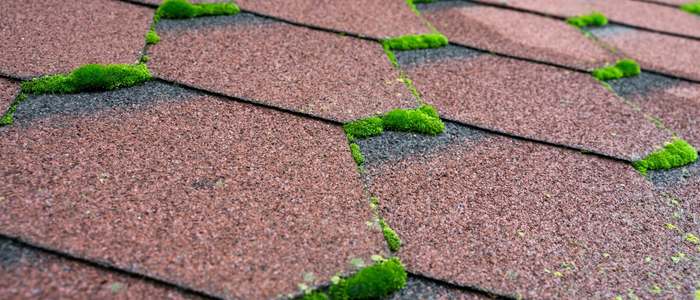
I remember walking out to my driveway one overcast morning and looking up, only to see a soft, emerald-green carpet creeping across the north-facing slope of my roof. It looks almost charming at first, like a cottage in a fairytale, but as a professional, I know that sight should actually set off alarm bells.
Moss acts like a sponge, soaking up every drop of rain and holding that moisture directly against your shingles.
Over time, those tiny roots can lift the edges of your roofing material, which is why learning how to remove moss from roof without damaging shingles is so important to prevent rot and surprise leaks.
If you’ve noticed these green clumps starting to take over, don’t panic. I want to show you how to remove moss from roof without damaging shingles using proven, shingle-safe methods that protect the long-term health of your home. Let’s restore your roof without shortening the life of your shingles.
Gentle Moss Removal Tricks
When dealing with standard three-tab shingles, you have to be incredibly careful with the granules. These shingles are thinner, and aggressive scrubbing can easily damage them. That’s why a gentle approach is essential when figuring out how to remove moss from roof without damaging shingles.
I always recommend a “low-and-slow” method to protect the shingle surface while still eliminating moss effectively.
| Method Step | Action to Take |
| Preparation | Wet the moss thoroughly with plain water first to loosen its grip. |
| Application | Apply a 50/50 mix of water and liquid chlorine bleach or a biodegradable cleaner designed for roofs. |
| Rinsing | Use a standard garden hose never a pressure washer and rinse downward only. |
By letting the solution do the work, you reduce the risk of shingle damage. If the moss doesn’t fall off immediately, be patient. It will dry out, turn brown, and detach naturally over the next few weeks.
Moss Cleanup That Protects Your Roof
Laminated shingles have more texture and layered edges where moss tends to grow. Because moisture can become trapped between layers, safe removal is critical when learning how to remove moss from roof without damaging shingles.
To clean these shingles safely, use a soft-bristle brush only after the moss is dead and dry. Never scrape live moss, as it is firmly anchored and can pull shingle material away.
Instead, apply a zinc-based moss treatment that kills moss at the root. When focusing on how to remove moss from roof without damaging shingles, chemical treatment is far safer than aggressive physical removal.
Once the moss becomes brittle and yellow, light rain or wind will usually remove it naturally, leaving the shingles intact.
Safe Steps to Strip Away Moss
Architectural shingles provide extra surface area for moss to cling to, so technique matters when removing it safely.
Follow these shingle-safe steps:
- Spray From the Top Down: Prevent water from being forced underneath shingles.
- Use a Long-Handled Soft Brush: Apply very light pressure and brush in the direction of water flow.
- Install a Zinc or Copper Strip: Helps prevent future moss growth.
- Trim Overhanging Branches: Sunlight is one of the best natural moss deterrents.
These steps are essential for anyone learning how to remove moss from roof without damaging shingles.
Moss Removal Done Right, No Harm
Synthetic shingles, often made from rubber or composite materials, are durable but can react poorly to harsh chemicals. When removing moss from these shingles, avoiding damage is key.
I recommend using a mild, manufacturer-approved cleaner or a gentle soap-and-water solution. These surfaces are smoother, so moss doesn’t root as deeply, making it easier to rinse away safely.
When considering how to remove moss from roof without damaging shingles made from synthetic materials, avoid metal tools or sharp scrapers that could scratch or void the warranty.
Easy Moss Clearing Methods
Wood shake roofs are especially vulnerable because moss feeds on organic material. If moss appears, quick action is essential to avoid long-term damage.
Use a wood-safe detergent that removes moss without stripping the natural oils from the shakes. Avoid bleach, as it can discolor and weaken the wood.
A low-pressure rinse after allowing the solution to sit for about 20 minutes is usually effective. Proper airflow and drainage are critical, so keeping gaps clear supports safe moss removal without harming the roof structure.
Shingle-Safe Moss Eradication
Metal shingles with stone coatings require extra care to prevent surface damage.
| Component | Safety Tip |
| Coating Protection | Avoid acidic cleaners that can weaken the stone-bond adhesive. |
| Fastener Check | Make sure moss isn’t trapping moisture around screws. |
| Gentle Rinsing | Use a wide-fan spray to avoid concentrated pressure. |
In most cases, moss on metal roofs sits on surface debris, so a mild soap-and-water wash is often enough to remove it without damage.
Natural Moss Removal for Green Roofs
Eco-friendly shingles benefit from non-toxic moss removal methods. A vinegar-and-water mix (1 part vinegar to 4 parts water) works well and aligns with sustainable roofing practices.
This solution is strong enough to kill moss while remaining safe for landscaping. Rinse thoroughly after treatment to protect the shingles.
Learning how to remove moss from roof without damaging shingles doesn’t always require harsh chemicals sometimes patience and simple household solutions are enough.
Tough Moss Removal Hacks
Even impact-resistant shingles can suffer if moss is left untreated. To safely manage stubborn growth:
- Zinc Sulfate Powder: Apply lightly during damp weather for slow absorption.
- Avoid Heat or Steam: High temperatures can weaken shingles.
- Clean Gutters Regularly: Moss often starts there and spreads upward.
- Target Shaded Areas: Focus on damp sections instead of the entire roof.
These targeted strategies help ensure effective moss removal without damaging shingles.
Frequently Asked Questions
How to get moss off of shingles without damaging?
I use a hose-attached moss treatment that works over a few weeks to eliminate growth no pressure washing involved. For soft washing, the approach is to gently remove the moss with a stiff-bristle broom, then apply a cleaning solution made of bleach, soap, and water that’s left to dwell on the roof.
How to clean moss off shingles naturally?
You can also make a simple cleaning solution using either diluted bleach or a mild detergent in a spray bottle. For a bleach-based option, combine two cups of chlorine bleach with two gallons of water. Alternatively, mix eight ounces of dish soap with two gallons of water for a detergent-based solution.
Can I lightly brush off moss off shingles with broom without damaging shingles?
Moss can be gently removed from shingles using a soft-bristle broom as long as light pressure is applied and the brushing is done in the proper direction. It’s important to avoid forceful scrubbing, as aggressive brushing can strip away the protective granules that help asphalt shingles resist wear and weathering.
Will bleach damage my asphalt shingles if I use it to kill moss?
When used correctly, bleach typically does not harm asphalt shingles. Problems can occur if the solution is too strong or allowed to remain on the surface for an extended period.
A commonly recommended and effective solution is a 50/50 mix of water and laundry-strength bleach, which removes moss while preserving the integrity of the shingles.
Conclusion
Cleaning your roof is about more than just curb appeal; it’s about extending the life of your home’s first line of defense. When I help homeowners with this, I focus on methods that protect the shingle’s structure while effectively eradicating the growth.
We use professional-grade, shingle-safe products and specialized low-pressure equipment to ensure your roof is cleaned without a single granule being lost. We also offer preventative treatments that keep the moss from coming back, giving you long-term peace of mind.
Knowing how to remove moss from roof without damaging shingles is a vital skill, but having a professional handle the heights and the chemicals ensures the job is done right the first time.
Your roof works hard for you every day, so it deserves a little gentle care in return. Have you checked the shaded side of your roof lately for any signs of green creeping in?