
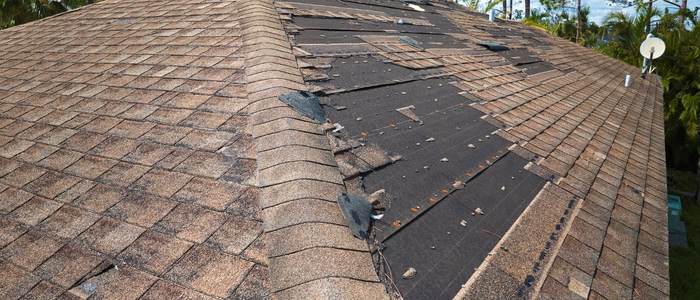
Imagine this: a serene afternoon suddenly shattered by the ominous sound of hail pounding against your roof. As you rush outside, the sight is shocking dents and debris scattered across your yard.
You begin asking the critical question homeowners face after every major storm: how much hail damage to replace roof systems before leaks and structural problems begin? This is a common concern, especially after a severe hailstorm.
Understanding how much hail damage is considered too much for a roof is essential, as extensive damage often requires a full roof replacement to protect your home.
In this article, we’ll explain how much hail damage to replace roof materials, the warning signs that indicate replacement is necessary, and how to handle insurance claims. Knowing exactly what qualifies as roof-replacement-level hail damage can save you time and money while keeping your home protected.
How Much Hail Damage Is Needed to Replace a Roof?
| Damage Type | Description |
| Shingle Fractures | Cracks or splits in shingles indicate hail damage severe enough for replacement. |
| Dents | Visible dents can weaken shingles and contribute to roof replacement decisions. |
| Granule Loss | Missing granules expose shingles and often qualify as replacement-level hail damage. |
| Pattern of Damage | Widespread hail damage across shingles increases the need for full replacement. |
| Visible Water Stains | Interior leaks signal excessive hail damage requiring roof replacement. |
Three-tab shingles are often the first roofing materials to show hail damage severe enough to replace a roof. After a storm, inspect for shingle fractures where cracking or splitting has occurred. This type of damage directly impacts the roof’s ability to shed water.
Dents and granule loss are also key indicators when determining how much hail damage to replace roof shingles. If granules are missing or dents are widespread, replacement is often necessary. Hailstorms frequently produce ice pellets that cause this level of damage.
Pay close attention to the pattern of damage. When multiple shingles show hail impact, it typically meets the threshold for roof replacement rather than spot repairs. Even damage that looks minor can worsen over time if replacement-level hail damage is ignored.
Spotting Irreversible Hail Damage for Replacement
Laminated shingles are durable, but they can still suffer hail damage severe enough to require roof replacement. After a storm inspect for delamination, where layers begin separating.
Delamination usually means the shingles are beyond repair and have crossed the line of how much hail damage to replace roof materials. Deep craters, punctures, or missing granules are also strong indicators of irreversible damage.
Although laminated shingles are built for longevity, heavy hail impacts can significantly shorten their lifespan. Identifying replacement-level hail damage early helps prevent future leaks and costly structural issues.
Hail Thresholds That Trigger Total Roof Replacement
- Hail Size: Roof replacement is likely when hailstones exceed one inch.
- Indentations: Shallow craters often indicate replacement-level damage.
- Damage Percentage: More than 25% hail damage typically requires roof replacement.
- Consult Professionals: Roofing inspections confirm if damage meets replacement thresholds.
Dimensional shingles are engineered for strength, but hail size and impact density determine how much hail damage to replace roof systems. Hail larger than one inch can compromise shingle integrity.
If over 25% of the shingles show visible hail damage, most roofing professionals will recommend full replacement. Delaying replacement after this level of damage often leads to leaks and higher repair costs.
When Hail Damage Means Full Roof Replacement
Synthetic shingles are weather-resistant, but they can still sustain hail damage severe enough to replace the roof. After a hailstorm, inspect for cracks, tears, or deep dents.
If more than 20% of the roof surface shows hail impact, this usually exceeds repair limits and indicates full replacement is needed. While synthetic shingles are lightweight and easy to inspect, their performance drops quickly once compromised by hail.
Professional evaluation is essential to determine how much hail damage to replace roof systems made from synthetic materials.
Hail Damage Requiring Complete Roof Replacement
Wood shake roofs are visually appealing but particularly vulnerable to hail damage. After a storm, look for cracking, splintering, or missing shakes.
When hail causes water absorption and structural breakdown, replacement becomes necessary. If more than 15% of the roof shows hail-related damage, this typically meets the criteria for full replacement. Acting quickly reduces the risk of rot and long-term deterioration.
Critical Hail Damage Levels for Roof Replacement
| Damage Level | Action Required |
| Dents Present | Inspect closely for leaks and hidden damage |
| Punctures | Immediate evaluation for roof replacement |
| Loose Panels | Assess overall roof integrity |
| Granule Loss | Indicates advanced hail damage |
| 20% Damage | Full roof replacement usually required |
Metal shingle hybrid roofs are durable, but hail can still cause dents, punctures, or loose panels. When hail exceeds one inch in size, inspections are critical.
If 20% or more of metal shingles are damaged, most professionals agree this meets how much hail damage to replace roof standards. Left untreated, dents can lead to corrosion and system failure.
Hail Impact Levels That Require New Roof Installation
Eco shingles are designed for sustainability, but hail can still compromise them. After a storm in inspect for surface cracks, indentations, and granule loss.
When more than 20% of eco shingles are damaged, repairs are usually no longer sufficient. At this point, replacement becomes the most effective solution to maintain roof performance and prevent leaks.
Surviving Hail — Or Time to Replace the Roof?
- Surface Damage: Scuffs and dents may indicate deeper issues.
- Granule Loss: A key sign of replacement-level hail damage.
- Damage Percentage: 30% or more damage often requires replacement.
- Professional Assessment: Confirms how much hail damage warrants roof replacement.
Impact-resistant shingles perform well, but extreme hail can still cause damage that exceeds repair limits. If 30% or more of the roof shows hail impact, replacement is often unavoidable.
Even high-performance shingles can fail under severe conditions, making post-storm inspections essential. Consulting a roofing expert ensures an accurate determination of how much hail damage to replace roof systems and protect your home long-term.
FAQ
Is a roof replacement necessary if there are no visible leaks after a hailstorm?
A roof does not always need to be replaced right away after a hailstorm if there are no visible leaks. However, a lack of leaks does not guarantee the roof is unharmed. Hail can create concealed damage such as fractured shingles, impact bruising, or loss of protective granules that may not lead to leaks until months or even years later. This type of damage can still reduce the roof’s lifespan and may compromise manufacturer warranties.
Can I get a full roof replacement if only one side of the roof is damaged by hail?
In many cases, it’s possible to qualify for a full roof replacement even when hail damage is only visible on one side of the roof. Insurance carriers may first approve repairs for just the affected slope, but a complete replacement can be warranted under certain conditions such as when matching the existing shingles is not feasible, the undamaged sections are close to the end of their service life, or local building codes mandate a full replacement.
How big of hail to damage a roof to replacement?
Hail damage severe enough to require full replacement of an asphalt shingle roof is most commonly associated with hailstones around 1 inch in diameter (approximately quarter-sized) or larger.
This size is generally considered the baseline for widespread shingle damage. However, hailstones as small as ¾ inch can still cause harm when accompanied by strong winds, while larger, irregularly shaped hail (1.5 to 2 inches or more) is capable of causing extensive and obvious structural damage.
Conclusion
If you suspect hail damage after a storm, don’t wait act quickly! Delaying your inspection can lead to more severe issues down the line, including leaks, mold growth, and structural damage. Hail can be unpredictable; the longer you wait, the more expensive the repairs can become.
Start by scheduling a professional roof inspection to assess the extent of the damage. Experts can provide you with an honest assessment and guide you through the insurance process, ensuring you get the coverage you need. Remember, addressing hail damage promptly not only protects your home but also gives you peace of mind.
Take charge of your home’s safety today. Are you ready to schedule that inspection?